Group fitness classes remain one of the most consistent ways people actually stick to a workout schedule. The accountability of a set time, an instructor calling cues, and other people in the room changes the behavior pattern compared to solo training. This guide breaks down class types, what each format delivers physically, and how to match a class to your current fitness level and goal.
What Group Fitness Classes Actually Are
A group fitness class is a structured, instructor-led session where multiple participants train together following the same format. Class size can range from 6 people in a boutique cycling studio to 40 in a large gym floor setting. The instructor controls pacing, cueing, music, and modifications. Most sessions run 30, 45, or 60 minutes.
Classes differ from personal training because the program is written for a general population, not your specific mobility restrictions or strength gaps. That's a limitation worth understanding before you sign up.
Main Class Formats and What They Train
Different formats target different physical outcomes. Choosing based on label alone ("HIIT" or "yoga") without knowing what actually happens inside the session leads to mismatched expectations.
| Format | Primary Training Focus | Avg. Session Length | Intensity Range |
|---|---|---|---|
| HIIT | Cardiovascular conditioning, metabolic output | 30–45 min | High |
| Strength / Barbell | Muscular strength and hypertrophy | 45–60 min | Moderate–High |
| Cycling / Spin | Aerobic endurance, lower body power | 45–60 min | Moderate–High |
| Yoga (Vinyasa) | Mobility, balance, body control | 60–75 min | Low–Moderate |
| Yoga (Hot) | Flexibility, heat adaptation | 60–90 min | Moderate |
| Barre | Muscular endurance, stability, posture | 45–60 min | Low–Moderate |
| Kickboxing / Combat | Coordination, cardiovascular output | 45–60 min | Moderate–High |
| Pilates (mat) | Core stability, postural alignment | 45–60 min | Low–Moderate |
| Dance Fitness (Zumba-style) | Cardiovascular, coordination | 45–60 min | Moderate |
| Bootcamp | Full-body conditioning, aerobic capacity | 45–60 min | High |
Most gyms structure their weekly schedule to rotate across these categories. A well-balanced week typically includes 2–3 high-intensity sessions and 1–2 lower-intensity recovery-oriented classes.
How Group Classes Compare to Solo Training
Neither approach is universally better. The right answer depends on your training history, goals, and how you respond to external motivation.
Advantages of group classes over solo sessions:
- Fixed schedule removes decision fatigue
- Instructor handles programming — no need to design your own plan
- Social environment increases perceived effort and output for most people
- Easier entry point for beginners unfamiliar with movement patterns
- Accountability: other members and instructors notice when you're absent
Limitations to know before committing:
- Program is not adjusted for your injury history or mobility restrictions
- Progression pace is set for the group, not your individual rate
- Some formats (especially HIIT) get scheduled too frequently, leading to overtraining if you attend every class
- Crowded classes reduce form correction time per participant
A 2023 study published in the Journal of Physical Activity and Health found that participants in group exercise classes reported 26% higher adherence rates at the 6-month mark compared to those following self-directed gym programs. The effect was strongest among people new to regular training.
Intensity Levels: How to Read Class Descriptions
Gyms often use inconsistent language to describe intensity. "High energy" means nothing objective. Here's how to read between the lines:
Signs a class is genuinely high intensity:
- Uses intervals with defined work-to-rest ratios (e.g., 40 seconds on, 20 off)
- Heart rate targets are mentioned (Zone 3–5)
- Equipment includes weights, resistance bands, or plyometric boxes
- Class is capped at 20 participants or fewer for safety
Signs a class is moderate intensity:
- Steady-state cardio with occasional bursts
- Choreography-based formats (dance, kickboxing combos)
- Emphasis on "endurance" or "toning"
Signs a class is low intensity / recovery-focused:
- Described as restorative, gentle, or deep stretch
- Yin yoga, slow flow, or mobility-focused keywords
- No cardiovascular equipment used
If you're attending 4–5 times per week, your schedule should include no more than 2–3 high-intensity sessions. The rest should be moderate or low. Ignoring this ratio is the most common reason people plateau or get injured in group class programs.
How to Choose the Right Class for Your Goal
Goal: lose body fat Prioritize formats that elevate heart rate for sustained periods — cycling, HIIT, or bootcamp. Combine with at least one strength-based class weekly to preserve lean muscle. Fat loss is driven by total caloric output and diet, not any single class format.
Goal: build muscle or increase strength Look for barbell classes, strength-focused formats, or any class using progressive load. Many "toning" classes use resistance too light to produce meaningful hypertrophy. Ask the instructor what the average weight range used in class is before attending.
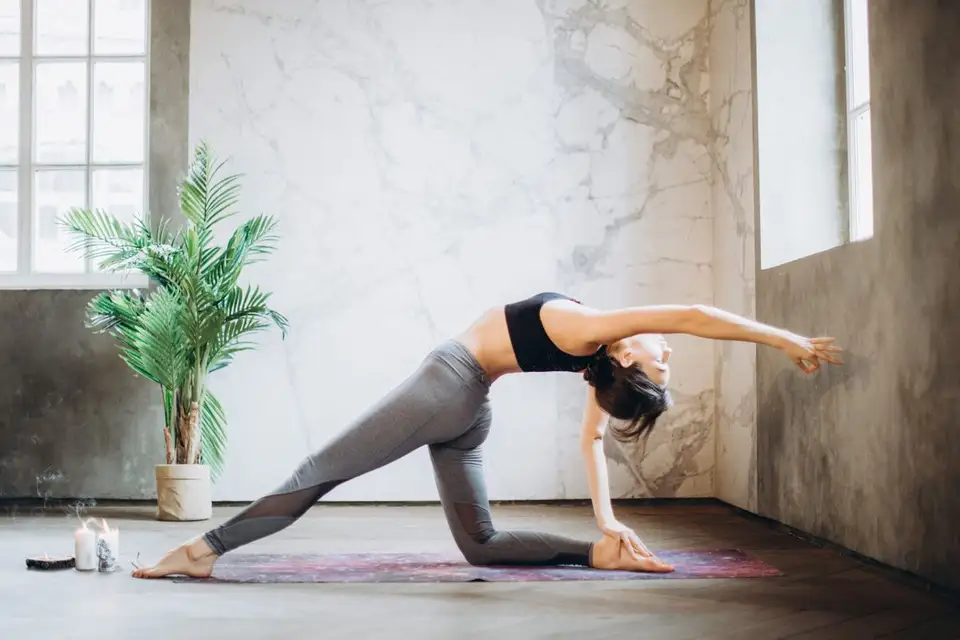
Goal: improve flexibility and reduce injury risk Vinyasa yoga, Pilates mat, and barre all address mobility differently. Yoga focuses on length and range of motion. Pilates targets segmental control and core stability. Barre works smaller stabilizing muscles around hips and shoulders. For injury prevention, Pilates tends to be the most specific and corrective.
Goal: general health maintenance Two to three moderate classes per week — a mix of cardio and movement variety — is sufficient for the average healthy adult according to CDC physical activity guidelines (150 minutes moderate aerobic activity per week).
Goal: stress reduction Hot yoga, yin yoga, and restorative classes have documented effects on cortisol and perceived stress. The parasympathetic activation during slow, breath-controlled movement is different from the stress relief some people report from high-intensity classes, which works through different neurochemical pathways.
What to Look for in a Group Fitness Instructor
Instructor quality varies significantly even within the same gym. A credential alone does not predict a good teaching experience.
- ACE, NASM, or ACSM certification covers foundational anatomy and program design — these are the recognized national standards in the US
- Format-specific certifications (e.g., Les Mills certified, Schwinn certified for cycling) indicate training in that specific method
- Cueing quality: Can they explain a modification in real time without stopping the class?
- Eye contact and floor presence: Are they watching the room or reading from a screen?
- Music and timing: In cardio formats, movement cues should sync with the beat structure
If you're new to a gym, ask the front desk which instructor has been there the longest. Tenure in a single location typically reflects both quality and member retention.
Scheduling Group Classes: Practical Considerations
- Book 12–24 hours in advance for popular classes. Spin and HIIT classes at high-traffic gyms fill by 7–8 AM on weekday mornings.
- Arrive 5–10 minutes early for the first session of any new format. Equipment setup, bike fitting, and weight selection take time and instructors can help before class starts.
- Morning vs. evening: Morning classes tend to have higher completion rates (less chance of day's events disrupting the plan). Evening classes in strength formats tend to have slightly better performance due to peak body temperature and neuromuscular readiness.
- Recovery days: Schedule at least one full rest day or active recovery class (yoga, stretch) between two high-intensity sessions.
Group Class Membership vs. Drop-In Pricing
| Option | Typical Cost (US, 2026) | Best For |
|---|---|---|
| Gym membership with unlimited classes | $30–$80/month | People attending 3+ times weekly |
| Boutique studio unlimited | $100–$200/month | Single-format focus (cycling, Pilates) |
| Class packs (10 classes) | $120–$180 | Occasional attendees |
| Drop-in single class | $15–$30 | Testing a new format or studio |
| App-based virtual classes | $10–$30/month | Home training supplement |
Boutique studio memberships are cost-effective only if you attend at least 8–10 times per month. Below that frequency, a class pack or gym membership with included classes is almost always cheaper per session.