Choosing fitness equipment is one of the most common ways people waste money in their health journey. The wrong machine collects dust; the right one changes how you train. This guide covers what equipment actually does, who needs it, and how to make decisions based on your training goals rather than marketing claims.
What "Fitness Equipment" Actually Covers
The term spans a wide range — from a $12 resistance band to a $4,500 commercial treadmill. Understanding the categories helps narrow down what's relevant for your situation.
Main equipment categories:
| Category | Examples | Avg. Cost Range |
|---|---|---|
| Cardio machines | Treadmill, rower, assault bike, elliptical | $300 – $4,500+ |
| Free weights | Dumbbells, barbells, kettlebells, weight plates | $1 – $3 per lb (new) |
| Resistance machines | Cable systems, leg press, smith machine | $800 – $6,000+ |
| Bodyweight / suspension | Pull-up bar, TRX, gymnastics rings | $20 – $250 |
| Resistance bands | Loop bands, tube bands, hip bands | $10 – $60 |
| Recovery tools | Foam rollers, massage guns, ice baths | $15 – $500+ |
Most people need equipment from two or three categories, not all of them.
Home Gym vs. Commercial Gym Equipment
The decision between building a home setup and using a gym membership affects which equipment matters to you.
Home gym advantages:
- No commute or wait times
- One-time cost vs. recurring membership fees
- Control over cleanliness and noise
Commercial gym advantages:
- Access to $30,000+ worth of equipment for $30–$60/month
- Variety prevents training plateaus
- On-site instruction available
A mid-range home gym setup — squat rack, barbell, 200 lbs of plates, adjustable dumbbells, and a pull-up bar — runs approximately $1,200 to $2,500. A budget commercial gym membership in the US costs $10–$35/month. If you train 4x per week, that's $120–$420/year. The home gym breaks even in 3 to 6 years depending on your spend.
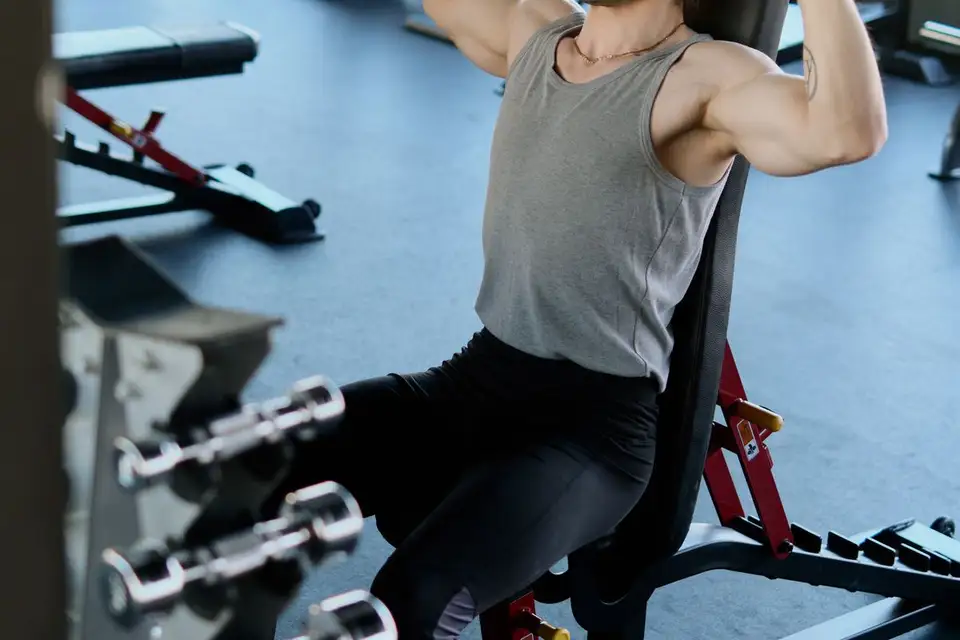
Strength Training Equipment: What You Actually Need
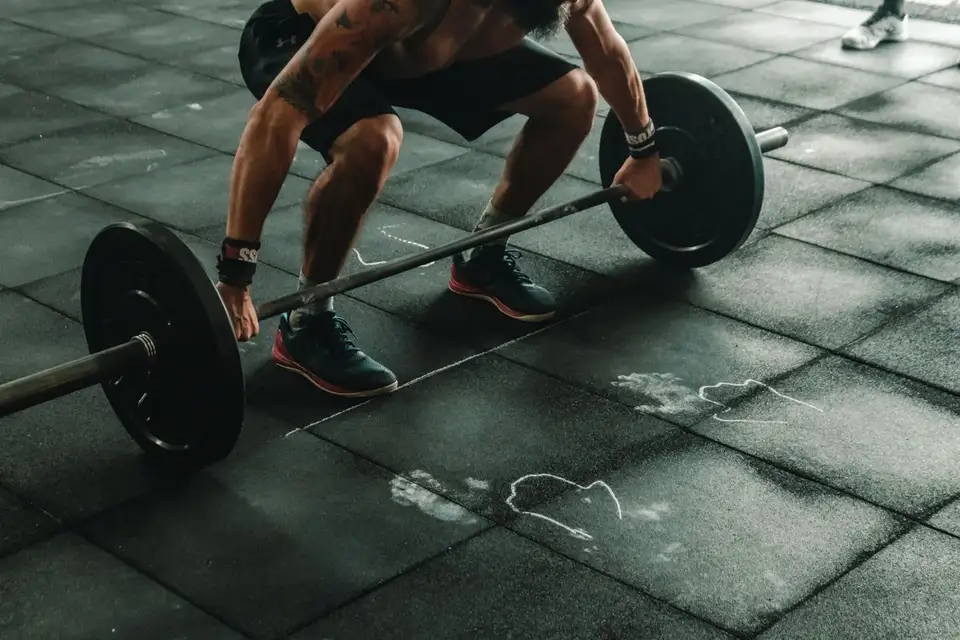
Strength training has the clearest evidence base for equipment ROI. Three items cover 80% of what most intermediate lifters need.
The core three:
1. Barbell + plates A standard 45 lb Olympic barbell handles squats, deadlifts, bench press, rows, and overhead press. Plates run $0.75–$1.50/lb used. Start with 160–200 lbs of plates.
2. Adjustable dumbbells Fixed dumbbell sets take up significant space. Adjustable sets (Bowflex 552, PowerBlock) replace 15+ pairs in a 2-square-foot footprint. Cost: $350–$600 new, $200–$400 used.
3. Pull-up bar or rack with J-hooks A wall-mounted pull-up bar ($40–$80) handles all vertical pulling. A power rack ($400–$1,200) adds rack safety for barbell movements.
What's usually not worth it early:
- Smith machines (limit movement patterns)
- Isolation machines before mastering compound movements
- Specialized attachments before you've outgrown basics
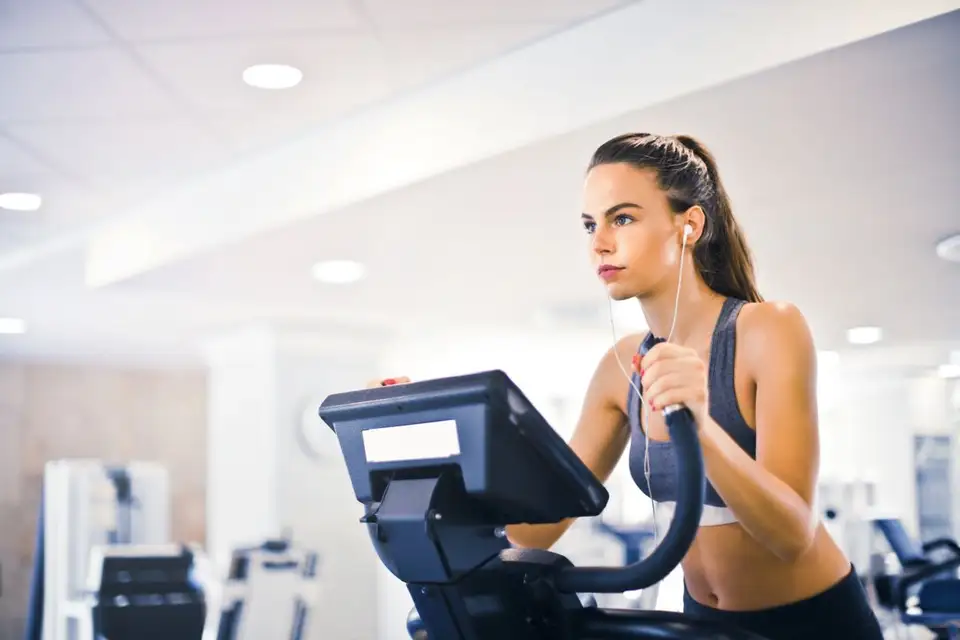
Cardio Equipment: Match the Machine to Your Goals
Not all cardio machines train the same systems or produce the same results.
| Machine | Primary Use Case | Impact Level | Calories/Hour (155 lb person) |
|---|---|---|---|
| Treadmill | Running, walking, incline cardio | High | 450–700 |
| Rowing machine | Full-body conditioning, low-impact | Low | 400–600 |
| Assault/air bike | HIIT, conditioning | Low | 500–800+ |
| Elliptical | Steady-state cardio, joint-friendly | Very Low | 350–450 |
| Stationary bike | Endurance, rehab, spinning | Low | 350–550 |
| Stair climber | Glute/leg-focused cardio | Low-Medium | 450–600 |
The assault bike burns the most calories per session for HIIT-focused training but is brutal to use consistently. The rowing machine has the steepest learning curve but delivers full-body benefits with zero joint impact. For joint issues, anything with "low impact" is worth prioritizing over a treadmill.
HIIT Equipment: What You Need Is Minimal
HIIT sessions don't require expensive equipment. The intensity comes from work-to-rest ratios, not machines.
Effective HIIT setups by budget:
| Budget | Equipment | Example Protocol |
|---|---|---|
| $0 | Bodyweight only | Burpees, jump squats, mountain climbers |
| $30–$80 | Resistance bands + jump rope | Band squats, pull-aparts, rope intervals |
| $200–$400 | Kettlebells (16–32 kg range) | Swings, goblet squats, cleans |
| $800–$1,500 | Assault bike + kettlebells | Bike sprints + strength supersets |
A 20-minute HIIT session with a 20 kg kettlebell produces similar cardiovascular adaptations to 45 minutes of moderate steady-state cardio, based on multiple protocols studied in applied sports science literature.
Resistance Bands: Underrated for Most Fitness Levels
Bands are frequently dismissed as beginner tools, but they have legitimate applications across all training levels.
Why bands are worth including:
- Variable resistance: harder at peak contraction, easier at the bottom (opposite of gravity-based loads)
- Useful for warming up joints before heavy lifting
- Hip bands activate glutes in ways dumbbells can't replicate easily
- Bands add accommodating resistance to barbell movements (band deadlifts, band squats)
Resistance levels to own:
- Light (10–25 lbs): shoulder warm-ups, face pulls, activation
- Medium (25–60 lbs): rows, pull-aparts, hip work
- Heavy (60–100+ lbs): assisted pull-ups, heavy squats, deadlift resistance
A full set from a quality brand (Rogue, WOD Nation, Serious Steel) costs $50–$120 and lasts 3–5 years with normal use.
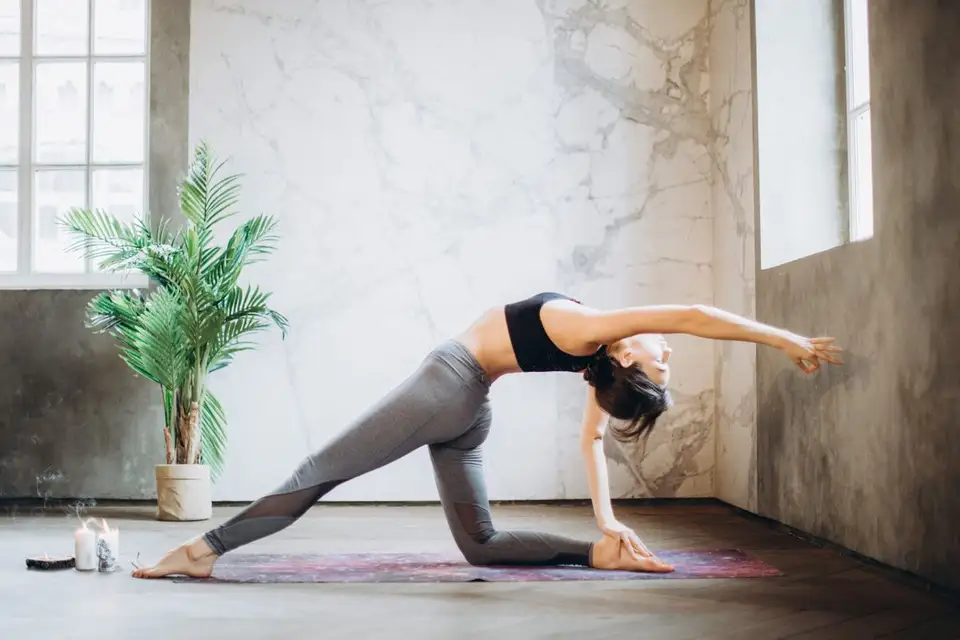
Yoga and Flexibility Equipment
Yoga equipment requirements are low-cost but the quality gap between cheap and mid-tier matters more than in other categories.
What actually matters:
- Mat thickness: 4–6mm for yoga (balance feedback), 6–10mm for Pilates or joint support
- Mat grip: Rubber-based mats grip significantly better than PVC when sweating
- Blocks: Two foam blocks ($15–$25 pair) adjust range of motion in most poses
- Strap: A 6-foot cotton strap ($8–$15) extends reach in seated forward folds and shoulder openers
Brands like Manduka, Liforme, and Lululemon produce mats that last 5–10 years. Cheap mats ($15–$25) tend to delaminate within 12–18 months under regular use.
Recovery Equipment: What the Evidence Supports
Recovery is increasingly marketed as a product category. Some tools have real utility; others are overhyped.
| Tool | Evidence Level | Best Use | Avg. Cost |
|---|---|---|---|
| Foam roller | Strong | Myofascial release, pre/post workout | $20–$60 |
| Massage gun | Moderate | Localized tissue work, warm-up | $80–$400 |
| Compression sleeves | Moderate | Swelling reduction post-exercise | $20–$60 |
| Ice bath / cold plunge | Growing evidence | Acute inflammation, mental resilience | $300–$5,000+ |
| Infrared sauna | Limited | Relaxation, minor cardiovascular benefit | $1,500–$8,000 |
| TENS/EMS devices | Mixed | Muscle activation, pain management | $30–$300 |
A foam roller and a mid-range massage gun handle most recovery needs for under $150 total.
How to Equip a Home Gym on Different Budgets
Under $300:
- Adjustable pull-up bar
- Resistance band set
- 20–24 kg kettlebell
- Foam roller
- Jump rope
$300–$800:
- Adjustable dumbbells (up to 52.5 lbs)
- Pull-up bar
- Resistance bands
- Yoga mat
- Ab wheel
$800–$2,500:
- Power rack or squat stand
- 45 lb Olympic barbell
- 180–200 lbs of plates
- Adjustable dumbbells
- Pull-up bar + dip attachment
$2,500+:
- Full power rack with cable attachment
- Barbell + 300 lbs plates
- Adjustable dumbbells
- Assault bike or rowing machine
- Recovery tools
Equipment Maintenance: The Part People Skip
Equipment breaks down faster than most buyers expect when maintenance is ignored.
- Barbells: wipe down after every use, oil the sleeves monthly with 3-in-1 oil
- Cables and pulleys: inspect for fraying every 60 days; replace cables every 2–3 years under heavy use
- Treadmill belts: lubricate with silicone spray every 3 months or every 150 miles
- Rubber flooring: sweep and mop weekly; UV exposure cracks rubber over time — avoid placing near windows
- Dumbbells: check knurling for wear; retighten hex heads if they loosen
Neglecting a treadmill belt leads to motor failure — a $400–$800 repair that a $10 tube of lubricant would have prevented.