Building a home gym in 2026 means navigating hundreds of products across wildly different price points. This guide breaks down tested equipment by category, training goal, and realistic use case — so you spend money on gear that actually gets used.
Why Gear Selection Matters More Than Gym Size
A 200-square-foot spare room with the right equipment outperforms a cluttered garage packed with impulse buys. The wrong gear creates friction — machines that don't match your training style sit idle within three months. Before choosing any piece of equipment, identify whether your primary goal is strength, cardiovascular conditioning, flexibility, or a combination.
Strength Training Equipment: Reviewed by Use Case
Barbells
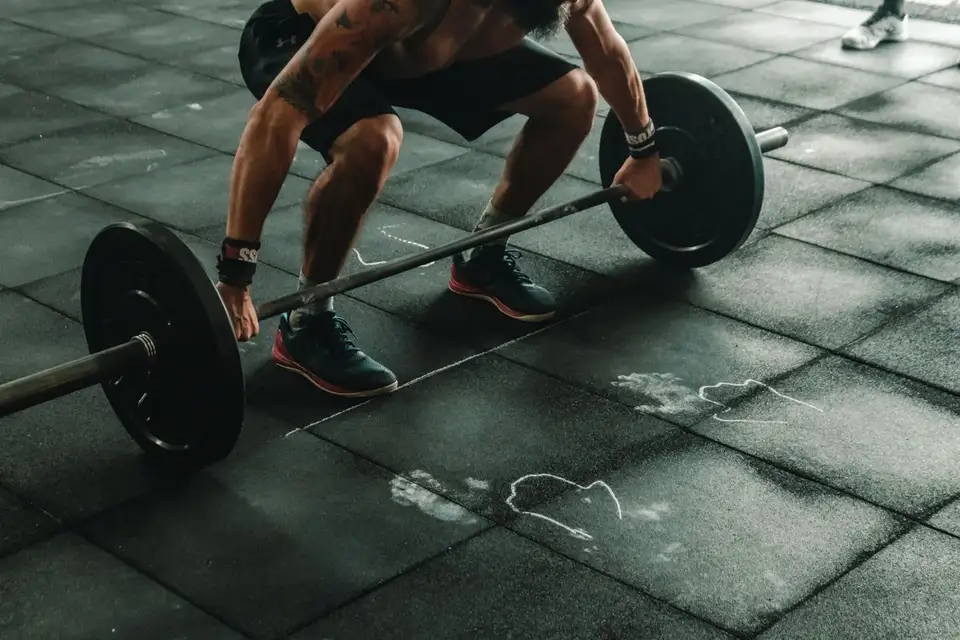
The 20kg Olympic barbell remains the single best investment for strength-focused home gyms. Key specs to compare:
| Spec | Budget Pick | Mid-Range | Performance |
|---|---|---|---|
| Price range | $120–$180 | $250–$380 | $450–$700 |
| Knurl type | Passive | Medium aggressive | Dual-zone |
| Spin (IWF) | Basic bushings | Needle bearings | Competition bearings |
| Tensile strength | 150,000 PSI | 190,000 PSI | 215,000+ PSI |
| Best for | General lifting | Powerlifting / CrossFit | Olympic lifting |
A barbell at 190,000 PSI tensile strength handles heavy deadlifts without permanent bend. Anything below 150,000 PSI will flex noticeably over 400 lbs and deform over time.
Recommended:
- Rogue Ohio Bar (mid-range, multipurpose knurl, 190k PSI)
- Rep Fitness Sabre Bar (budget-to-mid, excellent for new lifters)
- Eleiko Sport Training Bar (performance tier, IWF-standard spin)
Dumbbells
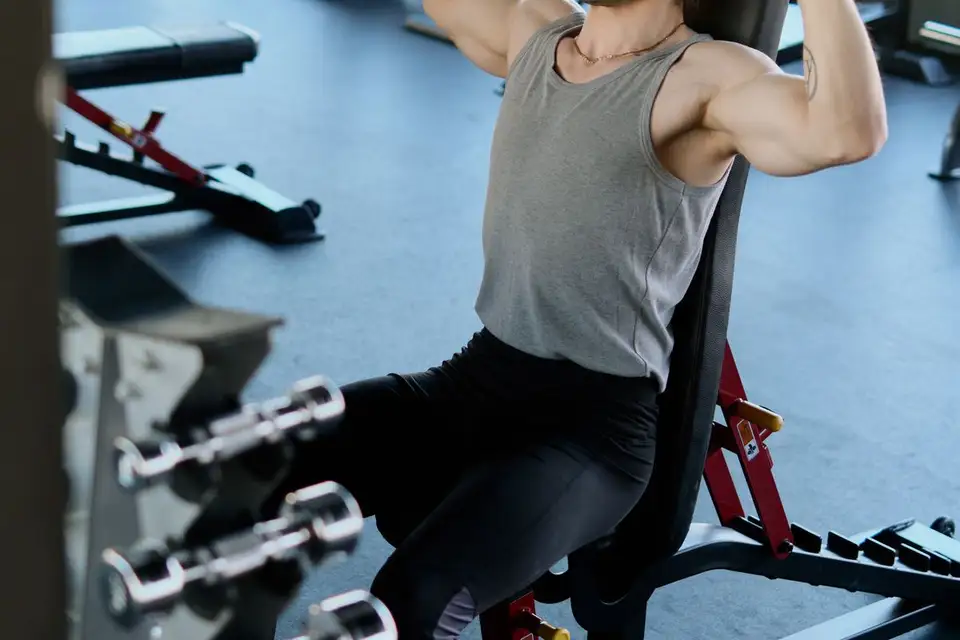
Adjustable dumbbells replaced fixed sets for most home users after 2023. The three formats worth knowing:
- Dial-adjust (PowerBlock, Bowflex 1090): Fast weight change, compact, 5–90 lbs range common. Trade-off: bulkier grip diameter.
- Pin-select (NÜOBELL, Core Home Fitness): Closest feel to fixed dumbbells, faster adjustment under 3 seconds.
- Plate-loaded (Ironmaster, BodySolid): Slower to change, but unlimited weight potential and no proprietary replacement parts.
For HIIT circuits where you're switching weights every 45 seconds, pin-select wins. For progressive overload in dedicated strength sessions, plate-loaded systems are more versatile long-term.
Power Racks and Squat Stands
A half rack requires roughly 50 sq ft of floor space including bar path clearance. Full power racks need 70–90 sq ft minimum.
What actually matters in rack selection:
- Post thickness: 3x3 inch, 11-gauge steel handles serious loads. Avoid 2x2 posts for anything above 500 lbs.
- J-cup material: UHMW-lined J-cups protect bar finish. Bare steel scratches knurling.
- Depth: 24-inch depth racks limit attachment compatibility vs. 30-inch deep racks.
Budget threshold: Under $400 gets you a functional stand; under $800 gets you a quality half rack. Full competition-grade cages (Rogue, Sorinex) start at $1,200 and justify the cost only with regular heavy loading over years.
Cardio Equipment: What Actually Gets Used
Cardio machines are the most abandoned category in home gyms. The reason is usually poor fit between machine type and user preference, not lack of motivation.
| Machine | Best training match | Avg floor space | Realistic price (2026) | Noise level |
|---|---|---|---|---|
| Treadmill (motorized) | Running, HIIT intervals | 35 sq ft | $900–$2,500 | High |
| Rowing machine (air) | Full-body cardio, HIIT | 20 sq ft stored | $600–$1,100 | Moderate |
| Assault-style bike | HIIT, low-impact cardio | 15 sq ft | $700–$1,000 | Moderate |
| Ski erg | Upper body conditioning | 8 sq ft wall-mounted | $750–$900 | Low |
| Jump rope | Conditioning, warm-up | 0 sq ft | $20–$60 | Minimal |
Air bikes (Assault, Rogue Echo, Xebex): The 2026 standard for HIIT conditioning in home gyms. The Echo Bike remains the best value at $795, built for heavy daily use. Main complaint — fan noise during max-effort intervals. If you train early morning in an apartment, a magnetic stationary bike (Concept2 BikeErg) is quieter and still accurate for output-based training.
Rowing machines: The Concept2 RowErg dominates because of the PM5 monitor and competitive logbook. Used units sell consistently for $600–$750 on Facebook Marketplace. WaterRower offers quieter resistance, but the performance monitor is inferior for structured interval work.
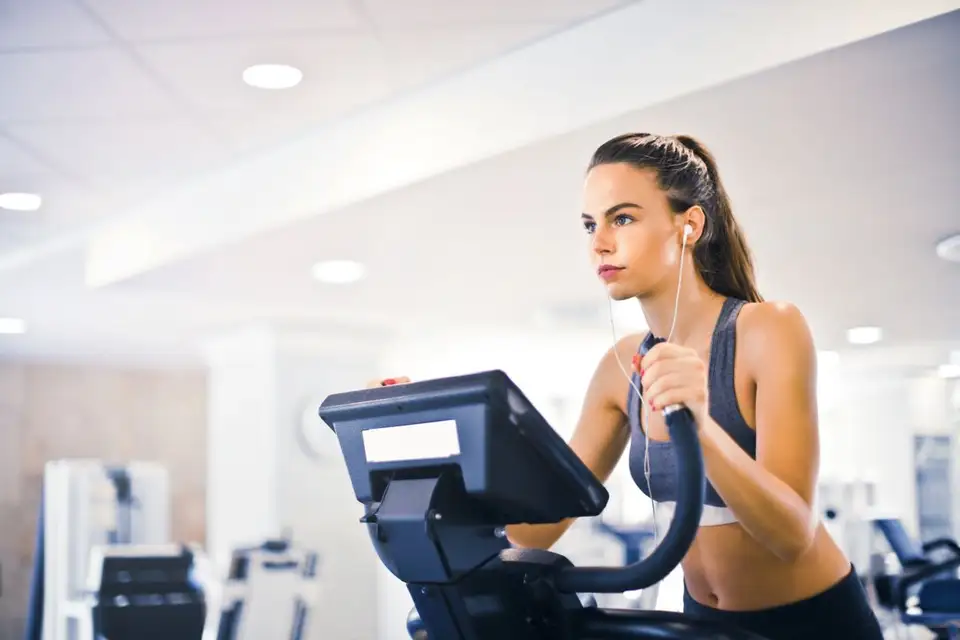
Treadmills: At minimum, look for a 3.0 CHP motor, 10% incline range, and a 60x20 inch belt. Cheaper treadmills with 2.5 CHP motors struggle with sustained running above 7 mph. The NordicTrack Commercial 1750 remains a reliable mid-range pick at $1,600, but the iFit subscription adds $180/year and is essentially required for full feature access.
Functional and HIIT Accessories
These items offer the highest return per dollar for mixed training:
Kettlebells Cast iron single-piece kettlebells outperform competition kettlebells for general training. Competition bells have a fixed handle diameter regardless of weight — useful for Olympic lifting, unnecessary for swings and Turkish get-ups.
Recommended starting weights:
- Beginners (female): 12 kg, 16 kg
- Beginners (male): 16 kg, 24 kg
- Intermediate: 20 kg, 28 kg pair minimum
Resistance Bands Loop bands (41-inch) and tube bands with handles serve different purposes. Loop bands add load to barbell work (accommodating resistance for bench and squat). Tube bands work for standalone resistance training and mobility.
Quality threshold: Look for natural latex, minimum 4.5mm thickness. Snap-prone bands are a genuine safety issue.
Pull-Up Bars Doorframe bars under $40 are fine for bodyweight work under 200 lbs. Wall-mounted bars with 2-inch tube steel hold up to 400 lbs and allow kip swings safely. Ceiling-mounted pull-up rigs (often sold as part of power rack packages) are the most stable option for kipping and ring work.
Flooring and Recovery: Gear People Skip
Flooring
Rubber flooring protects both your subfloor and your joints. Standard specs:
- 3/8 inch (10mm): Adequate for cardio and bodyweight work
- 3/4 inch (19mm): Minimum for heavy barbell work
- Stall mats (4x6 ft, 3/4 inch): $50–$70 each at farm supply stores — the most cost-effective flooring solution available
Foam tiles are inappropriate for any loaded barbell work. Rubber stall mats from Tractor Supply or Rural King consistently undercut specialty gym flooring by 30–40%.
Recovery Tools
| Tool | Primary use | Honest assessment |
|---|---|---|
| Foam roller (high-density) | Myofascial release | Effective for IT band, lats, thoracic extension |
| Percussion massager (Theragun, Hypervolt) | Targeted muscle recovery | Reduces soreness perception; evidence for recovery speed is mixed |
| Mobility bands (1-inch loop) | Joint distraction stretching | High value for hip and shoulder mobility work |
| Cold/contrast therapy tub | Full-body recovery | Legitimate recovery data for athletes training 5+ days/week |
Budget Breakdown by Setup Type
| Setup type | Key pieces | Realistic budget |
|---|---|---|
| Minimal / apartment | Adjustable dumbbells, bands, pull-up bar, jump rope | $400–$700 |
| Strength-focused | Barbell, plates (300 lbs), half rack, rubber flooring | $1,200–$2,000 |
| Cardio + HIIT | Assault bike or rower, kettlebells (3 sizes), jump rope | $900–$1,500 |
| Full hybrid gym | Power rack, barbell, plates, cardio machine, flooring, accessories | $3,000–$5,500 |
Buying used reduces most categories by 30–50%. Barbells, dumbbells, and rowing machines hold up well secondhand. Electronics-heavy cardio machines (treadmills with screens) carry more risk used because proprietary parts become unavailable.